Nonfiction
Poetry
Nonfiction
Fiction
Poetry
Poetry
And You Flapped In
sheena daree romero
YIDDISHKEIT: LOST IN TRANSLATION?
Gerard Sarnat
Cinema
Winifred Dongyi Wang
Editor’s Note
We need a room of one’s own.
When I decided on the theme of our second issue, I was living in a place with less personal space than desired. Therefore, the theme was my manifestation, my longing, my call for what I didn’t own back then.
In the English language, the possessive is among the most common mistakes that people make. Is it my wife’s house and mine or mine and my wife’s house? Me and my wife’s house??? What’s mine is yours? But I wanted mine to be mine and mine only, and you can keep what’s yours. I wanted to have something of my own when I created this theme, when my life had seemed to get out of my grasp.
One of the easiest ways to create space is by putting on headphones. In the Spotify playlist I created for this second issue, if you look closely, you will find yourself going on a journey of a day: from waking up in the morning (4 am) to not knowing what to do; from pondering on insomnia to perhaps taking a stroll in the city at the height of evening; from hearing the sound of jazz coming from an indistinguishable window when standing at a busy intersection to ending up on someone’s sofa, an unknown sofa; from returning to a room to escaping it again, and to eventually losing yourself in time, seeing everything in a haze.
Music is a bliss. It can be with us anytime, so we don’t walk alone.
Responsibly speaking, the most important thing to address here is the extreme delay in this second issue. Although the long halt was very fitting to the theme, as a very long 空窗期 (literally, in Chinese, a period of time of empty windows), the halt placed a doubt on everything my fellow editors and I had created for the journal. Quite often I asked myself: Is what we are doing worth it? How could I make space for others like me, when I was constantly afraid that my space was being taken away? When it’s so much easier to give up, why keep trying? But most importantly, how will others believe in us when we don’t believe in ourselves? This is not the other way around, when you believe in yourself when others don’t, which is simply a matter of ego, ability, or truthfulness, while my question was, in fact, an excuse to stop, to put an end to it before others are given a reason to doubt us—an old habit and a defense mechanism of mine that crept back briefly.
For this reason, I’m very grateful for the trust given by our contributors and by all those who submitted, for still being here when the process took much longer than it should have.
As Yixuan Cui asks in her personal essay “Some Nights,” if “a place should not be called home if it was not permanent and if your family didn’t live there together”—what is an apartment? In Coco Jin’s thunderstorm, taxis and trains to and from hotels and homes, and all the transient spaces, she says, “let’s just stay here forever…we have nowhere to go.” (I saw myself sitting next to her in a karaoke booth, drinking soju and tequila.) In Winifred Dongyi Wang’s “Cinema,” we are given an alternate space that is the duration of a movie, and the anticipation of the end of it. Meanwhile, Alex Fang takes a slowed-down look into how to assume shape and hold ground when things feel warped. sheena daree romero’s short story reminds us that to speak out and to hold faith is to have wings, and the winged thoughts come out of our lungs and become space for others (as Anne Carson suggested). Through Gerard Sarnat’s poems, we see how one’s roots are presented and preserved linguistically in codes and accents as well as in spices and foods, which can be as simple as “Ham and eggs” or “M N X.” I recently heard someone say to her friend, “You are my language environment.” The people around us are our world, our space, too.
As 空 also refers to empty/emptiness, which can be a scary subject to many, sometimes we can only see something clearly in its absence, like realizing how you might have used something after throwing it away. But we can’t keep everything in our lives and store them for “just in case I’ll need it in the future,” especially not in a city like New York. We need to be able to leave out and leave behind certain things, so we can make space for those that are truly important.
In the end, I kept the character 空 as is not because it’s untranslatable but because it holds too many meanings. I want to leave that up to you to decide and to own.
Thank you for reading.
November 23, 2026
Editor-in-Chief
Ariel Xinyu Peng
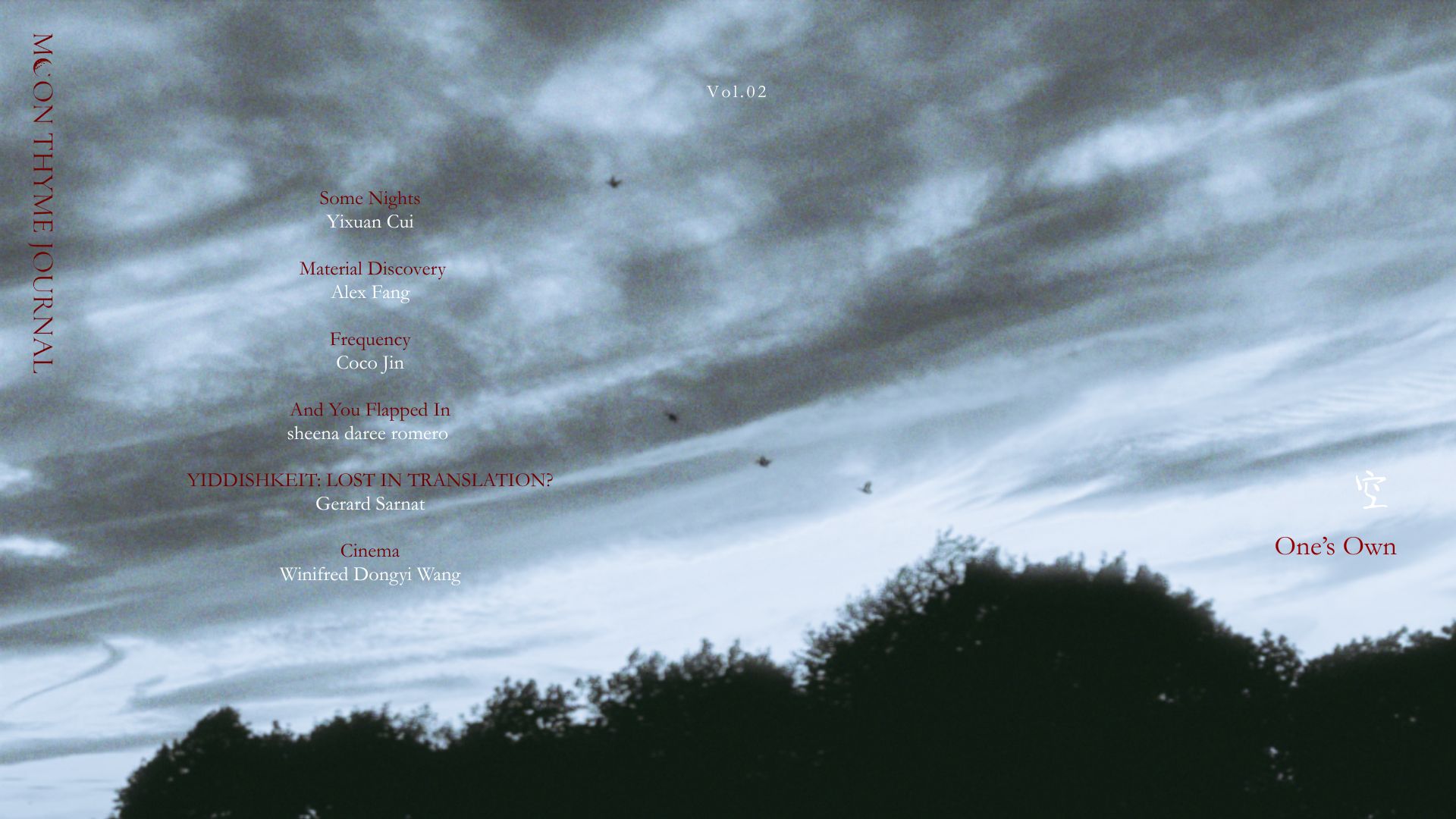
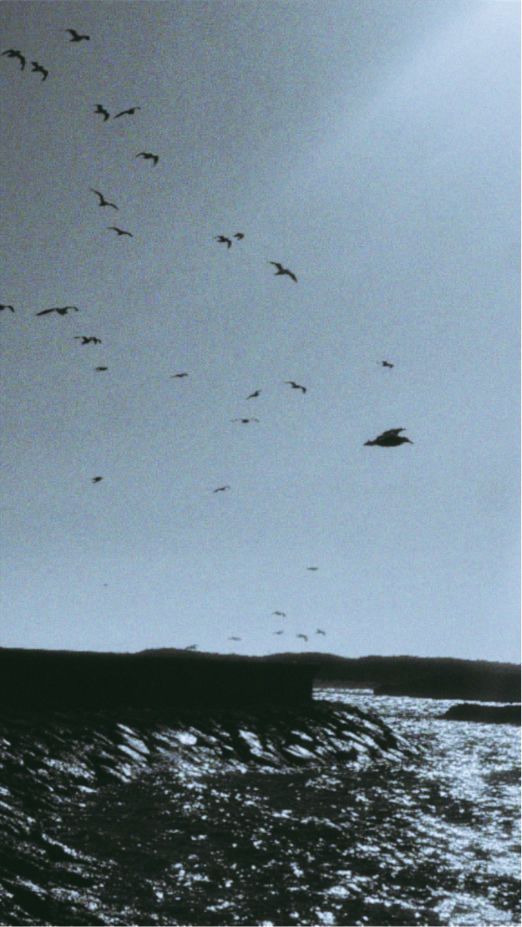
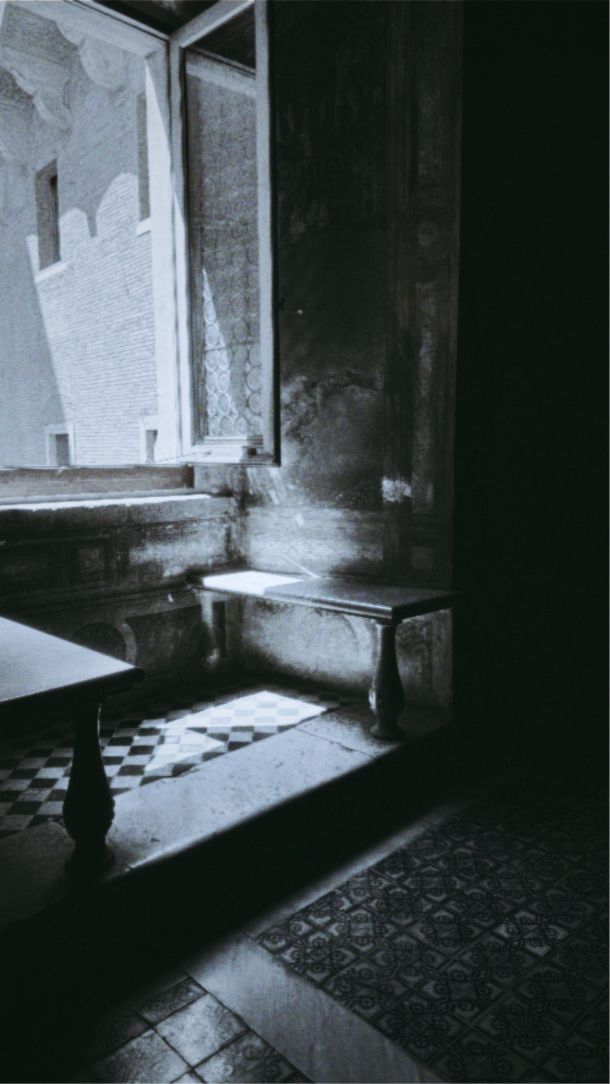
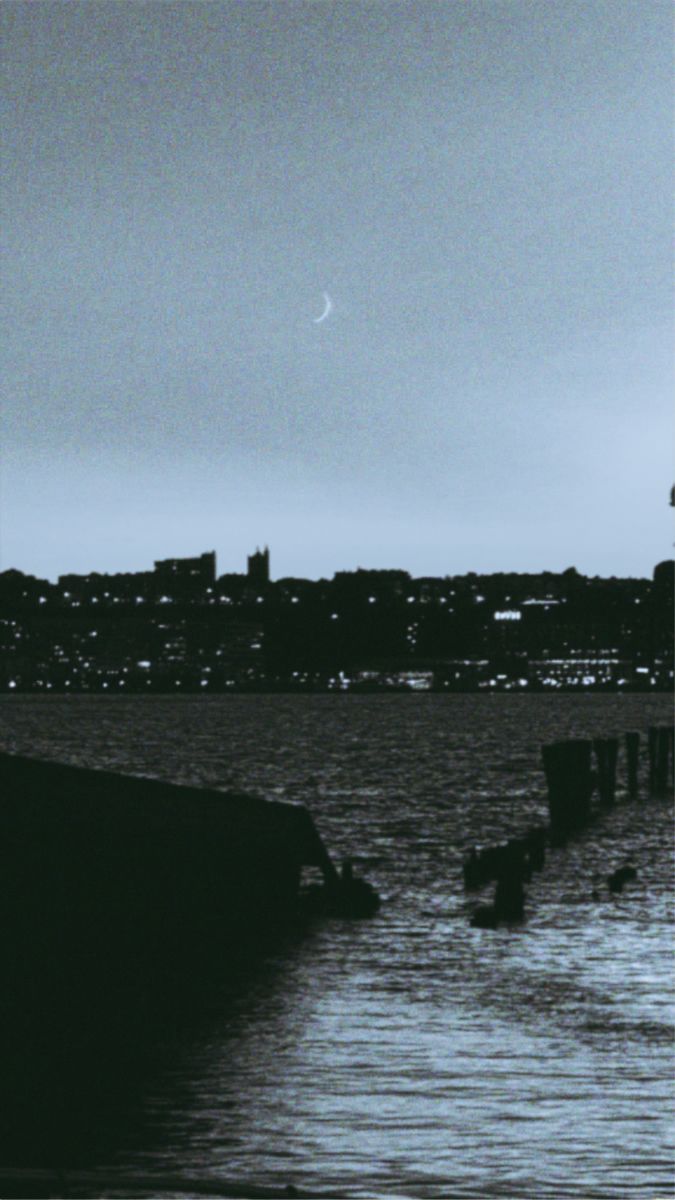
Cover art and photography by Hua Hannah Zhong
Logo design by Irene Hsiung